

TL;DR:
- Effective property security combines technology, physical design, and operational policies to protect tenants and assets while minimizing liability.
- Documentation, tenant engagement, and regular assessments are crucial for building a resilient, legally compliant security program.
Security in property management is defined as the layered system of technology, physical design, and human oversight that protects tenants, assets, and property value from harm, liability, and loss. For property managers and owners, this is not a peripheral concern. It sits at the center of every operational decision, from tenant retention to legal compliance. This guide covers the full scope of property management security: the technologies that drive it, the operational practices that sustain it, the legal frameworks that govern it, and the practical steps you can take right now to build a stronger program in 2026.
How do security systems and technologies enhance property management?
Modern property security technology has moved well beyond cameras and key fobs. Today’s systems are networked, integrated, and manageable from a mobile device, which changes what property managers can realistically oversee without adding staff.
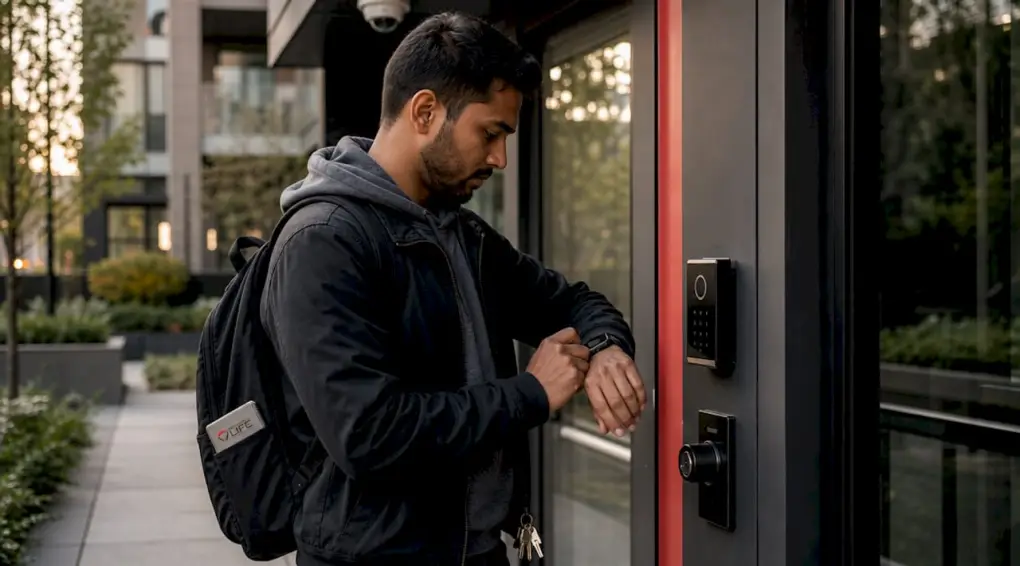
IP-based video surveillance is the current standard for multifamily and commercial properties. Unlike legacy analog systems, IP cameras deliver high-definition footage, support remote viewing, and connect directly to access control platforms. This integration means a single event, such as an unauthorized entry attempt, can trigger a recorded video clip, an alert to your phone, and a locked door response simultaneously.
Video intercom systems have also shifted from analog to IP-based platforms, allowing residents to grant access remotely via smartphone and generating audit trails that management can review. That audit trail is more valuable than most managers realize. It documents who entered, when, and through which point, which matters enormously in an incident investigation.
Key technology standards to know:
- ONVIF (Open Network Video Interface Forum): ensures cameras from different manufacturers communicate with a single video management platform
- OSDP (Open Supervised Device Protocol): a communication standard for access control readers that supports encrypted, two-way communication
- SIP (Session Initiation Protocol): enables video intercom systems to connect with standard phone networks and mobile apps
Mobile credentials using NFC and digital keys are replacing traditional proximity cards in multifamily housing. They are harder to clone, easier to revoke, and residents prefer them. For property managers, the practical benefit is fewer lockout calls and faster credential management when a tenant moves out.
Pro Tip: When evaluating any new security technology, ask the vendor whether the system supports ONVIF and OSDP. If it does not, you risk locking yourself into a proprietary ecosystem that becomes expensive to upgrade later.
What operational best practices support property management security?
Technology alone does not produce a secure property. Layered security programs that combine physical design, operational policy, and human oversight consistently outperform properties that rely on hardware alone. The operational layer is where most property managers have the most room to improve.
Crime Prevention Through Environmental Design, known as CPTED, is the framework that connects physical design to behavioral outcomes. CPTED principles include well-lit pathways, clear sightlines, maintained landscaping, and defined entry points. These design choices alter how people behave on a property. A poorly lit parking structure with overgrown shrubs signals low oversight. A well-maintained, clearly visible space signals the opposite.
Here is a practical operational sequence for property managers:
- Conduct a monthly property walkthrough. Check lighting, fencing, lock hardware, and camera angles. Document what you find and what you fix.
- Establish a tenant communication protocol. Regular communication about crime patterns and security measures builds trust and turns residents into an active part of your security program.
- Define security officer responsibilities in writing. Officers supported by GPS-enabled guard tour systems and 24/7 Security Operations Centers provide verifiable, proactive oversight rather than passive presence.
- Require daily activity reports. Written logs from security personnel create accountability and provide documentation if an incident leads to a legal claim.
- Partner with local law enforcement. Many police departments offer free property security assessments and will share local crime data that helps you prioritize where to focus.
Pro Tip: Tenant engagement is a force multiplier. A resident who feels informed and heard is far more likely to report a suspicious person or a broken gate lock before it becomes a liability.
How do liability, documentation, and compliance shape property management security?
The legal dimension of property management security is the one most managers underestimate until they face a lawsuit. Property managers carry independent legal liability for security failures, separate from the property owner. This means that even if an owner declines to fund a security upgrade, the management company can still be held liable if it failed to formally document the risk and communicate it in writing.
Multi-million-dollar negligent security lawsuits have been decided against property managers who knew about security deficiencies and did not act or document. The legal standard is not whether you fixed the problem. It is whether you identified it, reported it, and created a record.
The table below compares two documentation approaches and their legal implications:
| Approach | Description | Legal outcome |
|---|---|---|
| Informal verbal reporting | Manager tells owner about a broken gate lock in a phone call, no follow-up | No paper trail; manager bears full liability if an incident occurs |
| Formal written documentation | Manager sends written assessment noting the deficiency, owner’s response is recorded | Liability is shared; manager demonstrates due diligence |
Florida’s Statute 768.0706 is the clearest legislative model in the country for this issue. It offers a legal safe harbor for multifamily properties that meet defined security standards, including CPTED assessments every three years and 30-day video retention at entry points. Even if your property is not in Florida, this statute defines the documentation and assessment standard that courts in other states are beginning to reference.
Your documentation baseline should include incident logs with dates and descriptions, written security assessment reports, correspondence with owners about identified risks, and records of any security upgrades or repairs made. These records are your defense in any negligence claim.
What are practical steps to improve property security in 2026?
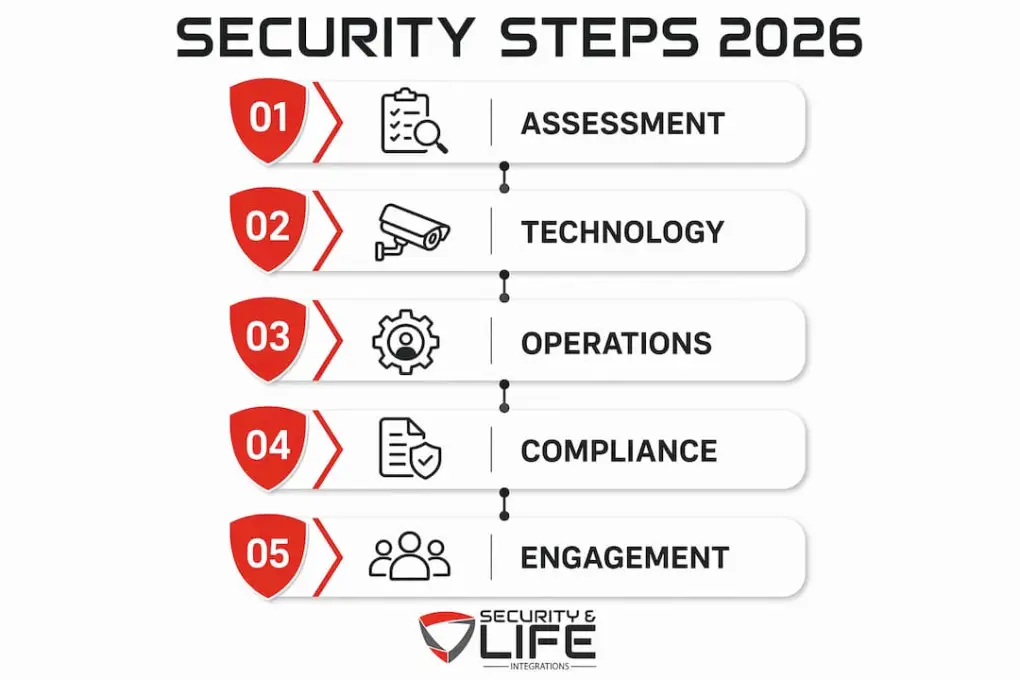
Building a stronger security program starts with a disciplined risk assessment that identifies your property’s specific assets, exposures, and risk mitigation priorities. A generic checklist applied to every property type produces generic results. Your risk profile depends on property size, location, tenant population, and existing infrastructure.
The following areas represent the highest-impact interventions for most multifamily and commercial properties in 2026:
- Access control upgrades: Replace legacy key systems with multi-tenant access control platforms that support mobile credentials, visitor management, and remote lockout. This single upgrade addresses the most common entry-point vulnerabilities.
- Camera coverage audit: Map your existing camera positions against your property layout. Identify blind spots at parking structures, mail rooms, package lockers, and secondary entrances. These are the locations where incidents most frequently occur.
- Staff training: Security technology is only as effective as the people operating it. Train your team on how to review footage, respond to access alerts, and document incidents correctly.
- Tenant onboarding security briefing: Include a security overview in your move-in process. Explain how the access system works, who to contact for security concerns, and what the property’s emergency procedures are.
- Annual third-party security assessment: An outside assessment catches gaps that internal familiarity causes you to overlook. It also produces a formal report that strengthens your legal documentation.
Improving property security in 2026 also means planning for technology maturity. Systems installed five or more years ago may not support current integration standards. A technology roadmap that schedules upgrades before systems fail keeps your program current without emergency spending.
Security as a strategic investment protects property value and improves tenant satisfaction. Properties with visible, well-maintained security programs report lower vacancy rates and fewer lease disputes. That is a direct return on the investment in hardware, training, and documentation.
Key takeaways
Effective property management security requires a layered program combining technology, physical design, operational policy, and formal documentation to protect tenants, assets, and management from liability.
| Point | Details |
|---|---|
| Technology integration matters | IP surveillance, ONVIF-compliant cameras, and mobile access control work together to close entry-point gaps. |
| Documentation protects managers | Written security assessments and owner correspondence are the primary defense against negligent security claims. |
| CPTED reduces crime by design | Lighting, sightlines, and maintenance alter behavior on the property and reduce criminal opportunity. |
| Tenant engagement multiplies security | Informed residents report issues faster and participate in community safety programs more actively. |
| Risk assessments drive priorities | A property-specific assessment identifies the highest-impact interventions before incidents occur. |
Why most property security programs fail before they start
Most property managers I work with are not ignoring security. They are managing it reactively, responding to incidents after the fact rather than building a program designed to prevent them. That reactive posture is the single most common failure pattern I see, and it is expensive in every direction: financially, legally, and in tenant trust.
The shift that actually changes outcomes is treating security as an assessment-driven discipline rather than a hardware purchase. You can install the best cameras available and still have a weak program if you have no documented process for reviewing footage, no written protocol for how officers report activity, and no formal record of what you told the property owner about known risks. The technology is only as strong as the operational and documentation framework around it.
What I have also observed is that property managers consistently underestimate how much tenants notice security. Residents do not evaluate your program by reading your policy documents. They evaluate it by whether the parking lot lights work, whether the gate closes properly, and whether management responds when they report a concern. Those small, visible signals build or destroy the sense of safety that keeps good tenants renewing leases.
The properties that handle security well in 2026 are not necessarily the ones with the largest budgets. They are the ones with a clear assessment process, a paper trail, and a management team that treats security as an ongoing operational responsibility rather than a one-time capital expense.
— Zachary
How Security & Life Integrations supports your property security program
Security & Life Integrations provides property managers and owners with the technology and expertise to build security programs that address the full range of risks covered in this guide.
From high-definition video surveillance and access control for multi-tenant housing to UL-certified fire alarm systems, Securitylifeinc designs and installs systems tailored to multifamily, commercial, and HOA properties. The team at Security & Life Integrations also supports existing equipment takeovers, so you are not forced to replace functioning infrastructure to get better integration and support. If you are ready to assess your current program or plan an upgrade, contact Security & Life Integrations for a consultation.
FAQ
What is the role of security in property management?
Security in property management protects tenants, physical assets, and property value through a layered approach that combines access control, video surveillance, physical design, and operational policies. It also reduces legal liability by creating a documented record of risk identification and management actions.
What does CPTED mean for property managers?
CPTED stands for Crime Prevention Through Environmental Design. It uses physical design elements like lighting, sightlines, and landscaping to reduce criminal opportunity and improve residents’ sense of safety without adding security personnel.
How does access control improve multifamily housing security?
Access control systems restrict entry to authorized residents and visitors, generate audit trails for every access event, and allow managers to revoke credentials instantly when a tenant moves out or a key is lost.
Are property managers legally liable for security failures?
Yes. Property managers carry independent legal liability for security deficiencies, separate from the property owner. Formal documentation of identified risks and written communication with owners is the primary protection against negligent security claims.
How often should a property security assessment be conducted?
Florida’s Statute 768.0706 requires CPTED assessments every three years for multifamily properties seeking legal safe harbor status. Most security professionals recommend an annual internal review supplemented by a third-party assessment every two to three years.